The Brownsburg Homeowner's Guide to Blind and Shade Repair
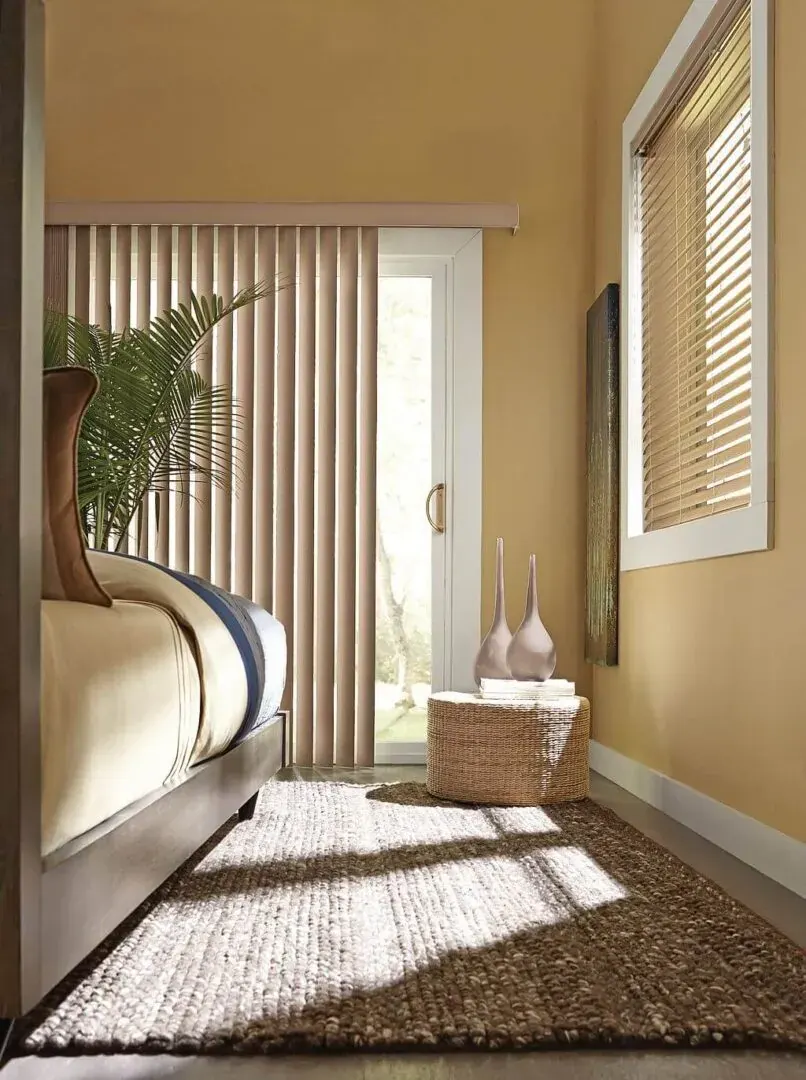
Nobody wants to pay for a whole new blind over one small part, and most of the time nobody has to. Every window covering in a Brownsburg home is a collection of parts that can fail independently, cord locks, tilt gears, clutches, and motors among them. Here's a plain look at what breaks and why.
Blinds and shades fail one part at a time
Most calls start with someone assuming the whole shade is dead, and it usually isn't. A shade is several independent parts, a lift system, a tilt or rotation mechanism, a bracket, and the fabric or slats, and a failure in one rarely touches the rest.
Figure out which part quit before ordering anything. A blind that slides down alone is a different problem than one that won't come down at all. A wand spinning without moving slats is telling you something specific. Get that right in a Brownsburg home and the fix is usually small money.
Cords and tilt mechanisms
Cord and ladder wear is where most repair calls start, friction at the lock and at every slat hole. A crooked blind or a thick, fuzzy cord are the early tells. One low slat means something else broke, a ladder rung, not the lift cord. A snapped lift cord means the blind won't come up at all. Restringing rebuilds the whole run, and wood blinds often get new ladder tape at the same time.
The cord lock pinches the lift cord against a toothed pin to hold height. Age that pin, or feed it a swollen cord, and the blind slides down on release, or occasionally locks up hard instead. About as cheap as blind repair gets.
A wand spinning with no result is a stripped tilt gear nine times out of ten, the most common failure on wood blinds in Brownsburg. Forcing the wand past the slats' stop shears the nylon teeth. New gear in, new rod if it's rounded off too, new wand if the hook's cracked.
What a finished repair should look like
A finished job checks off a list, not just looks nice from across the room. Bottom rail level, headrail level in its brackets, light gaps matching side to side, full travel with no stall, one hand to lift it. Room to room, the hardware should read as one decision, same rail lines, same wand length and side.
Plenty of what gets blamed on a shade is a mounting problem. A bracket anchored into bare drywall loosens and tips the headrail within months. A roller tube even slightly out of level walks its fabric toward one end every cycle, which people call a broken shade when it's really a crooked bracket. What separates a good job from an average one in Brownsburg is usually the last ten minutes, not the install itself. Tensioners get fastened where they belong, and someone walks the homeowner through tilt travel. Then the site gets left clean.
Start by identifying the actual fault instead of replacing the whole window covering. A stripped tilt gear is a part. A worn cord lock is a part. A dead battery wand isn't a failure at all. Brownsburg Window Treatments repairs what can be repaired and says plainly when something has reached the end. We're insured and bonded, and the quote is written before any work starts. Call (317) 999-5154 and describe what it's doing.
Clutches and cordless lift systems
Roller, cellular, and woven wood shades on a bead chain hold position with a clutch inside the tube. Worn, the chain slips and the shade creeps down, or jumps the sprocket and jams. Two things usually cause it: a shade heavier than the clutch's rated class (a spec mismatch, not a defect), or a chain tensioner that isn't fastened to the wall like it should be.
Cordless shades use a spring motor in the headrail, tensioned to balance the fabric's weight. Years of cycling relax that spring, so the shade sinks after you set it. That's a tension adjustment or a spring cartridge, not a dead shade.
When a motorized shade in Brownsburg goes quiet, check in order: battery first (about a year of runtime is common, and nobody logs the install date), travel limits next (a wrong stop point means lost programming, not failure), then pairing (remotes drop connection more than motors actually die). Real motor failure is rare and means a swap inside the tube.
When repair beats replacement, and when it doesn't
Stock blinds and shades run roughly $60 to $600 a window nationally. Custom, measured in the home and installed, runs roughly $250 to $2,600. A repair costs a small slice of either and leaves a working unit in place, which is why fixing the one broken part beats buying new in most Brownsburg service calls.
A short list changes that. Fabric faded and brittle on the sun-facing side, since a better fabric only slows fading and never stops it. Torn fabric at a fold is beyond repair regardless. A discontinued line with no headrail parts left to order. Corded blinds around small children, where ANSI/WCMA A100.1-2022, the cordless standard, makes replacement the sensible call. A unit that never fit its opening properly. A blind on its third repair, a pattern rather than bad luck.
None of it matters if the part doesn't exist. Cord locks, wands, gears, and lift cord are close to universal. Clutches depend on tube diameter and load class. Motors are proprietary, a retired generation usually forces a new tube. Paperwork with a product line and color code turns guesswork into a phone call, plenty of it sitting in a Brownsburg drawer unnoticed. And a 2008 white won't necessarily match one bought two years earlier, so dye lots decide more of this than people expect.
Frequently Asked Questions
My motorized shade stopped responding. What should I check first?
Batteries, and it isn't close. Manufacturers commonly publish about a year of runtime for a battery wand, and almost nobody records the install date. If fresh batteries don't fix it, check travel limits next, since a motor that runs but stops in the wrong place has lost its programming rather than failed. Then check pairing between the remote or hub and the shade, which drops more often than people expect. An actual dead motor is the least likely cause on that list.
Can my old corded blinds be converted to cordless?
Sometimes, and it's worth doing the math first. Conversion kits exist for some horizontal blinds and some roller systems. By the time you buy the kit and pay for labor, a new cordless shade in the stock range is often better value and will operate more smoothly, since it was engineered that way from the start. Conversion earns its keep on a large custom unit in an unusual opening that would be expensive to reproduce. ANSI/WCMA A100.1-2022 is the product standard behind the industry's shift toward cordless.
Why does one slat on my blind hang lower than the rest?
A ladder rung has broken. Ladder strings run down both faces of the slats with small rungs between them, and each slat rests on a pair of those rungs. When one snaps, that slat drops and tilts out of line while every other slat behaves normally. New lift cord won't fix it, since the lift cord isn't what was holding that slat up. The repair is replacing the ladder string or ladder tape, usually done at the same time as a restring.
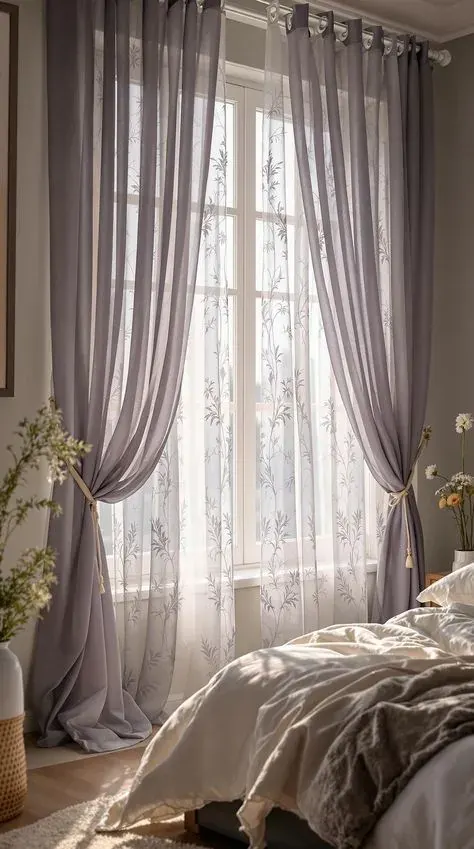 Pleat Styles, Fullness and Lining for Brownsburg Drapery Orders
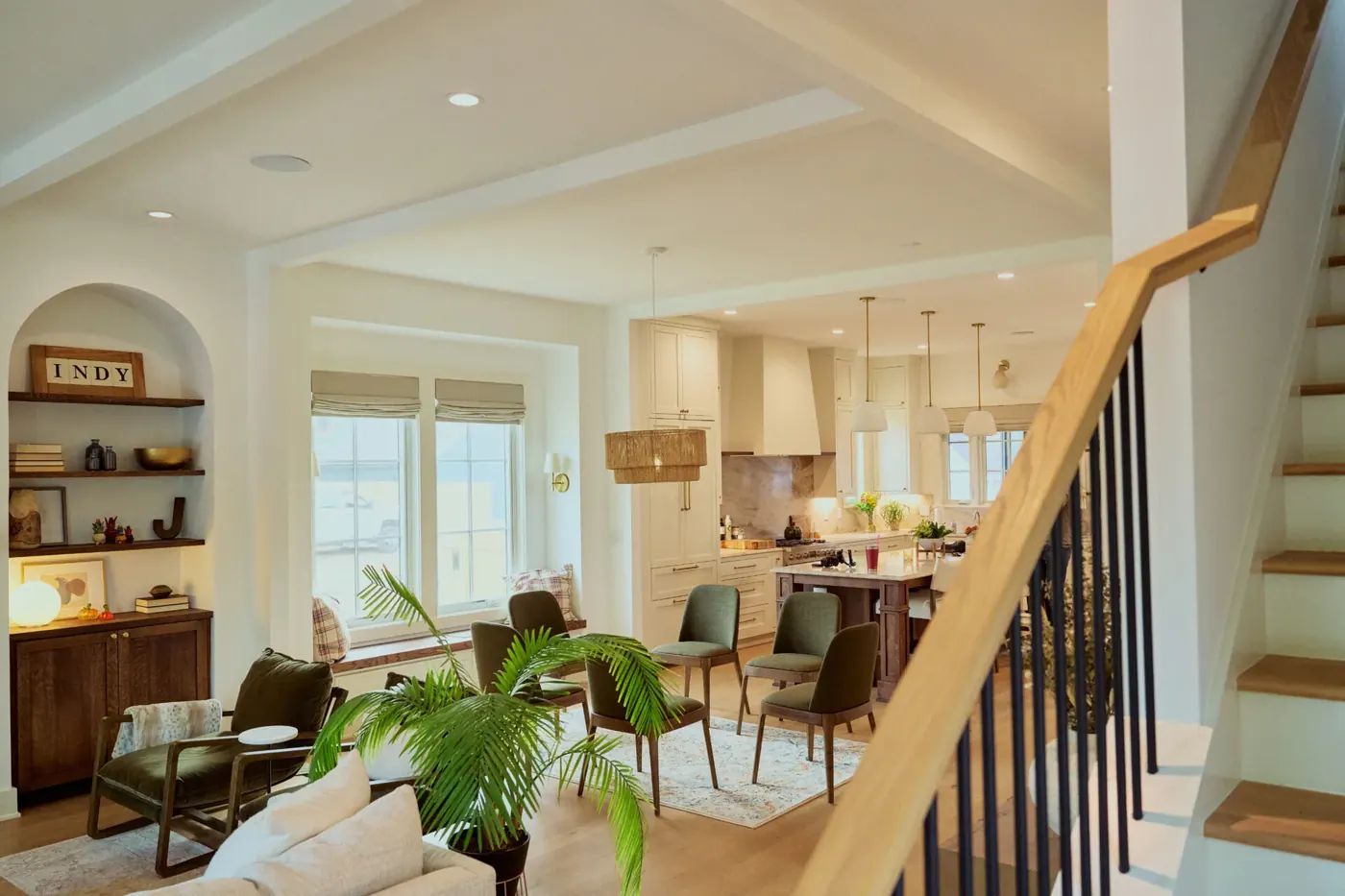 When Stock Blinds Are the Right Call in a Brownsburg Home
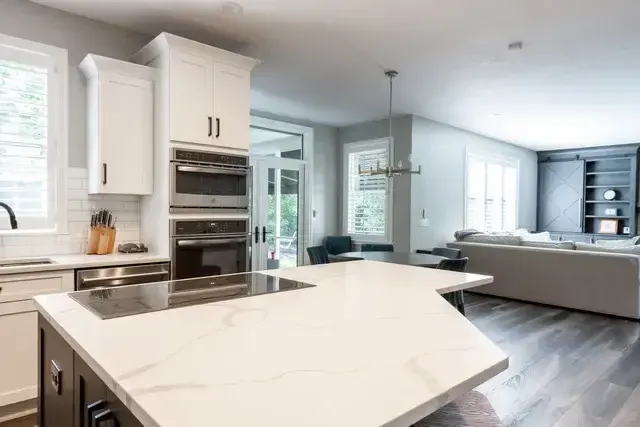 Getting Window Treatments Right in a New Brownsburg Home